

Healthy Meals Start with Non-Toxic Pots and Pans
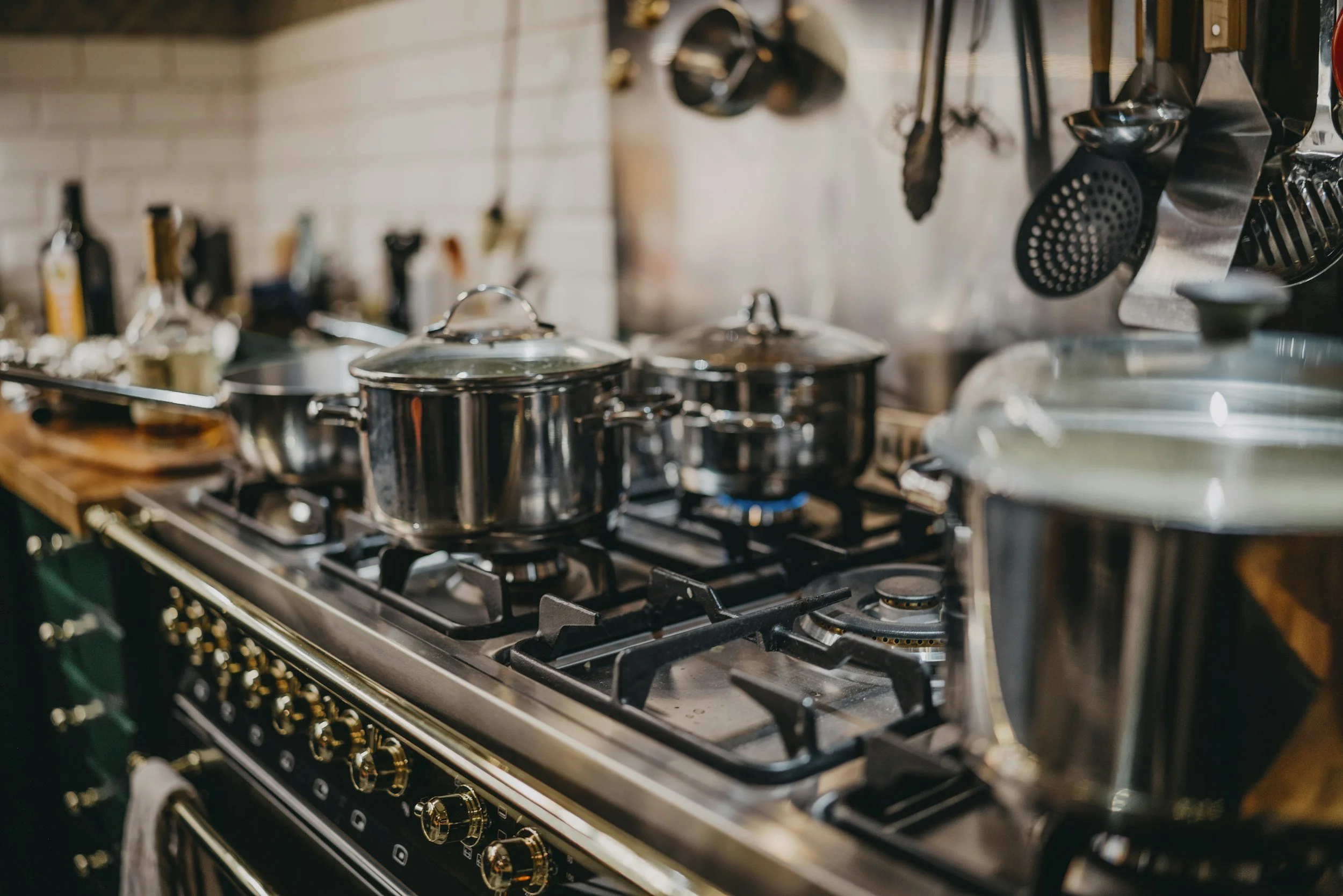
Non-toxic and strong, cast iron, stainless steel, copper and glass are the safest materials to cook with.
SALE
SALE
Cast Iron
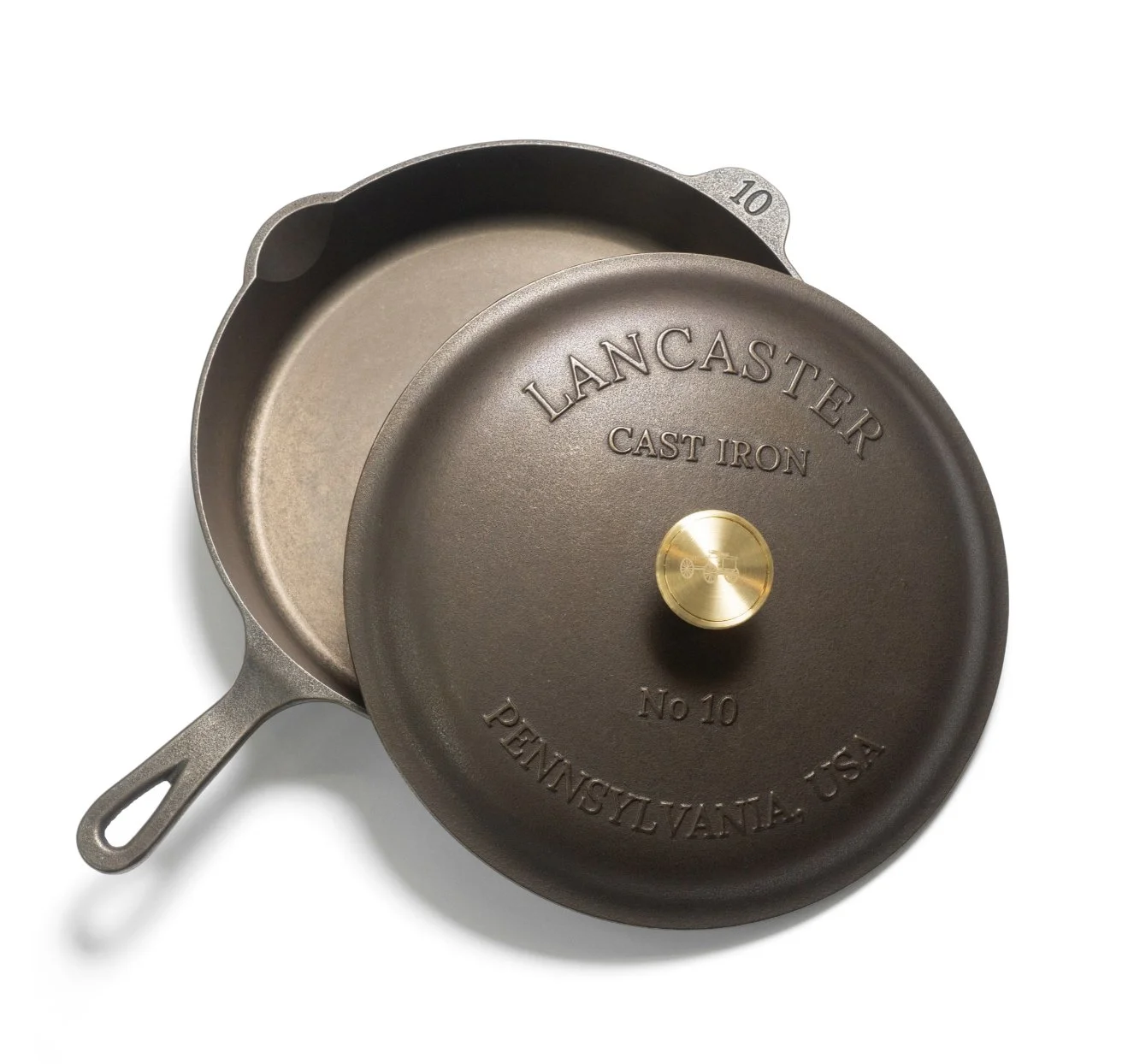
Safe, non-toxic, long-lasting and eco-friendly, cast iron is also nostalgic and has stood the test of time for good reason. It's great for cooking almost everything. Tomatoes and other acidic foods are among the few exceptions as their acidity can react with the iron and cause a funny taste. Cast iron is also naturally non-stick and naturally PFAS-free. We love Lancaster Cast Iron, a family business that makes all of its cookware in Pennsylvania, where it also has a flagship retail store in a historic schoolhouse. It’s our top recommendation. Lodge has been making cast iron cookware in Tennessee since 1896. It’s also a solid choice, gets great rev and has a lower price tag. Why the difference in price? Lancaster is not mass produced. It’s surfaces are polished smooth. It’s hand-seasoned and the cookware is lighter than most cast iron. Here is a good guide from Lancaster Cast Iron on when to use cast iron vs. when to use stainless steel.
Stainless Steel
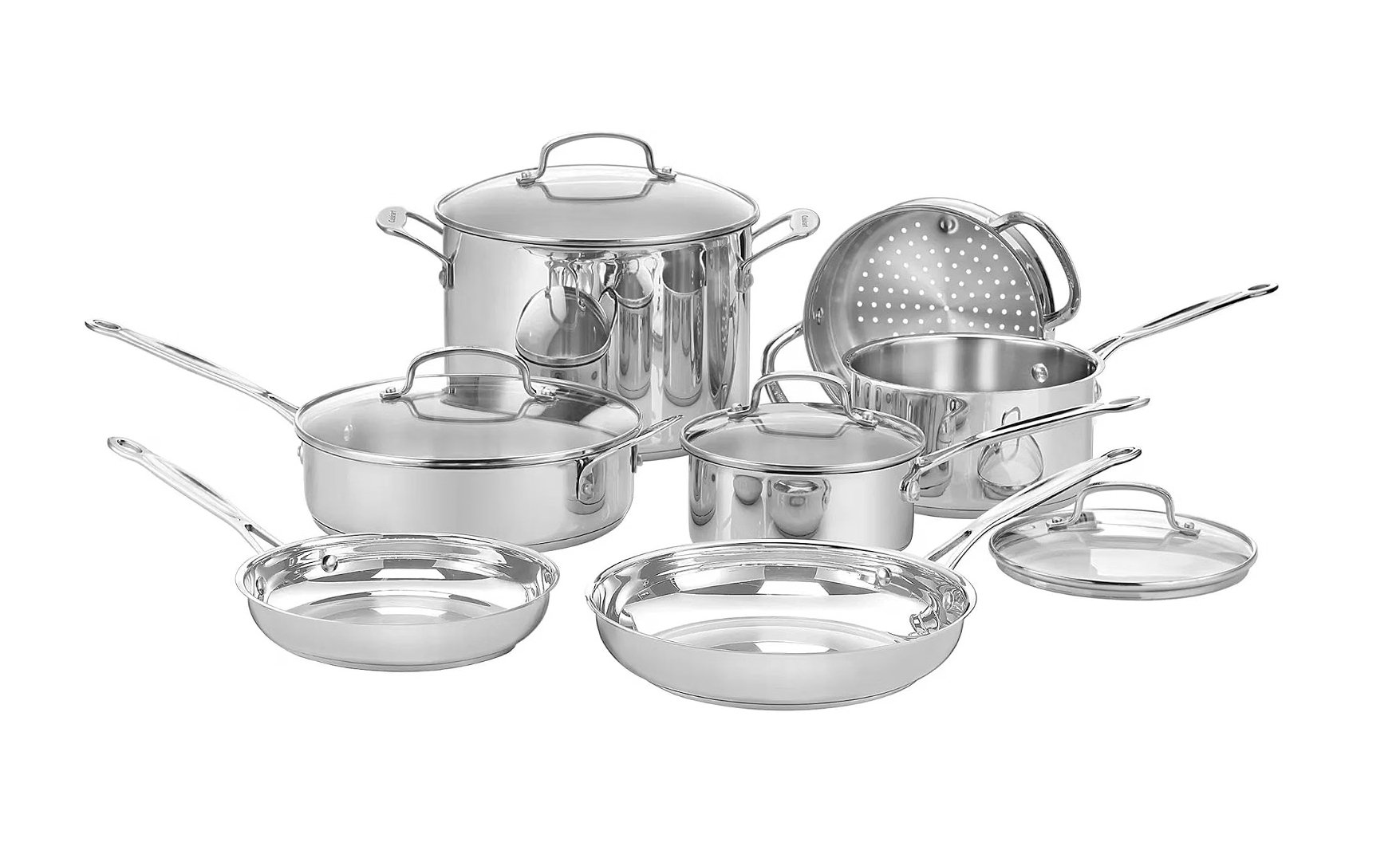
Stainless steel is a great material for pots and pans. It's safe, non-toxic, durable and affordable. One of our favorite brands is Cuisinart. Their pots and pans are strong, well-built and affordable. Their riveted handles are ergonomic in design and have holes for hanging, a great feature that allows them to be hung with S hooks on steel pegboards. Some lids are solid stainless and some come with tempered glass tops rimmed with stainless steel.
Glass
For glass cookware, there are a lot of good brands, including Pyrex and Anchor Hocking, our top recommendations. Anchor’s soda-lime silicate glass products are made in the U. S. as they have been since 1905. They’re free of lead, cadmium and other toxic heavy metals. Soda-lime silicate glass is ideal for its strength, purity and thermal shock resistance.
Copper
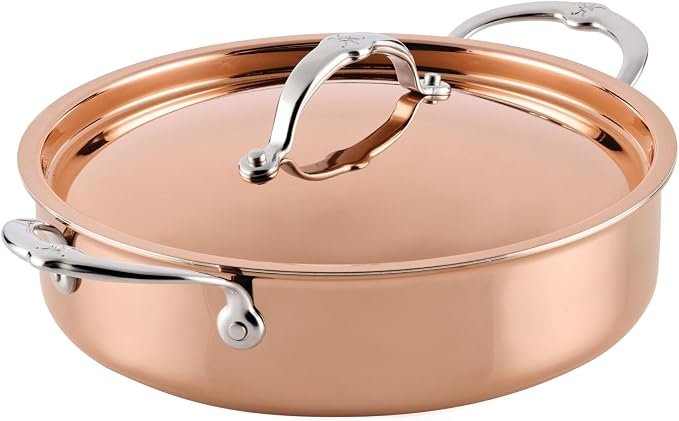
Like cast iron, copper pots and pans can give your kitchen a vintage feel and inviting atmosphere. In addition to being beautiful, copper is popular with chefs as it conducts heat efficiently and evenly. If it’s not lined inside, with stainless steel or tin, it’s best for higher pH, more alkaline, foods since copper reacts with acidic foods such as tomatoes, wine, vinegar, and citrus fruits. This can cause copper to leach into the food resulting in too much copper ingestion and giving the food a metallic taste. While copper is an essential mineral and we need a certain level of it (about 900 micrograms a day), too much can be toxic. But most copper cookware made today is lined with stainless steel or tin, both of which are suitable for cooking acidic foods as the copper doesn’t touch the food. Tin conducts heat better than stainless steel but also wears out faster. Never use old copper pans as they may be lined with nickel. An excellent choice for copper cookware with stainless steel interior surfaces is Hestan, which makes all of its pots and pans in Italy.

Cookware to Avoid
Avoid non-stick pots and pans, such as Teflon. Even newer ones. Their non-stick properties come from coatings that are often toxic, many containing PFAS chemicals. While the notorious highly-toxic PFOA-laden formula (a type of PFAS) that made Teflon, and maker DuPont, infamous was discontinued in the U.S. by 2014, many new coatings still contain other PFAS chemicals. Manufacturers just swapped one for another. Teflon, for example, now uses the unregulated PFAS chemical PTFE, which releases toxic fumes when heated above 500 degrees F. Odd then that it’s used on cookware. Manufacturers of some new ceramic-coated cookware claim their products are now non-toxic but some experts warn they’re still harmful and the trouble is there are no requirements that manufacturers disclose the coatings’ chemical make-up, leaving many questions unanswered and consumers in the dark.
Also never cook with plastic in the microwave as plastic will release toxic chemicals and microplastics when heated.
Finally, stay away from aluminum. It’s a neurotoxin that can accumulate in the brain and cause cognitive decline. Pots and pans that have an aluminum core sealed behind stainless steel are safe to use as the aluminum can't access your food.
Top Recommendations
-
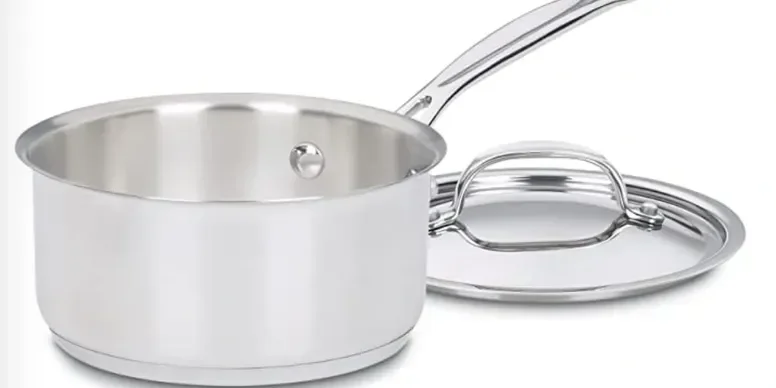
Cuisnart Saucepans and Other Cookware
Cuisinart’s durable stainless steel saucepans and other cookware are among the best available and have helped give the brand it’s stellar reputation. They are solidly-constructed classics, blending high-end quality with a timeless look. Cuisinart’s affordable prices also make the brand popular. Right now Cuisinart cookware is on sale on Amazon, including their 11-piece Chef Classic set, which is 35% off as a Black Friday special deal.
-
Cast Iron
Well made cast iron cookware is heirloom quality and gift quality, and can be passed down from generation to generation. Such is the case with Lancaster Cast Iron, which makes timeless cast iron pots and pans in small batches in rural Pennsylvania. It’s not mass produced, its surfaces are polished to a smooth finish to be naturally non-stick and they are seasoned by hand one by one. This is why they’re on the expensive side but they’ll last forever and are well worth the price. Through Nov. 30, all Lancaster cast iron is at least 20% off.
-
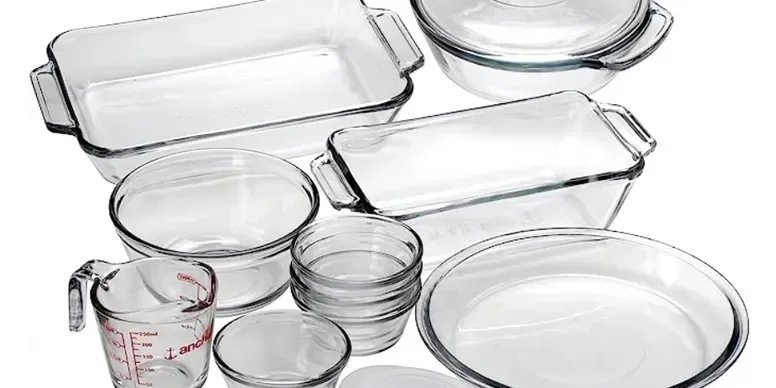
Glass
For glass, we recommend Anchor Hocking as it's BPA-free lead-free glass products are made in the U. S. and have been since 1905. This multi-dish bakeware set includes a variety of sizes and a measuring cup. It's a good option for anyone setting up a new home. For adding to your bakeware supply, check out Anchor Hocking's collection of glass dishes sold separately. Description goes here
-
Copper
Made in Italy, Hestan’s heirloom-quality copper cookware has a copper exterior for even heat distribution and temperature control and polished non-reactive stainless steel interior cooking surface. It’s our #1 recommended brand for copper due to the quality and durability of its pots and pans.